Mumbai’s monsoon exposes façade weaknesses through driving rain, trapped moisture, chloride deposits and difficult-to-clean recesses. By the end, you will be able to judge whether a vertical embossed panel suits your wall, specify the drainage and fixing details it needs, and set a maintenance plan that protects both the finish and the substrate.
Key takeaways
- Keep embossed grooves uninterrupted from top to bottom.
- Pair panels with a drained cavity and sealed joints.
- Select alloy, finish and fixings for humid coastal exposure.
- Confirm fabrication, joints and installation drawings before ordering.
When vertical lines improve rainwater movement
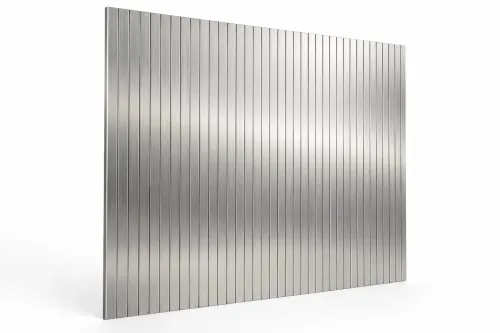
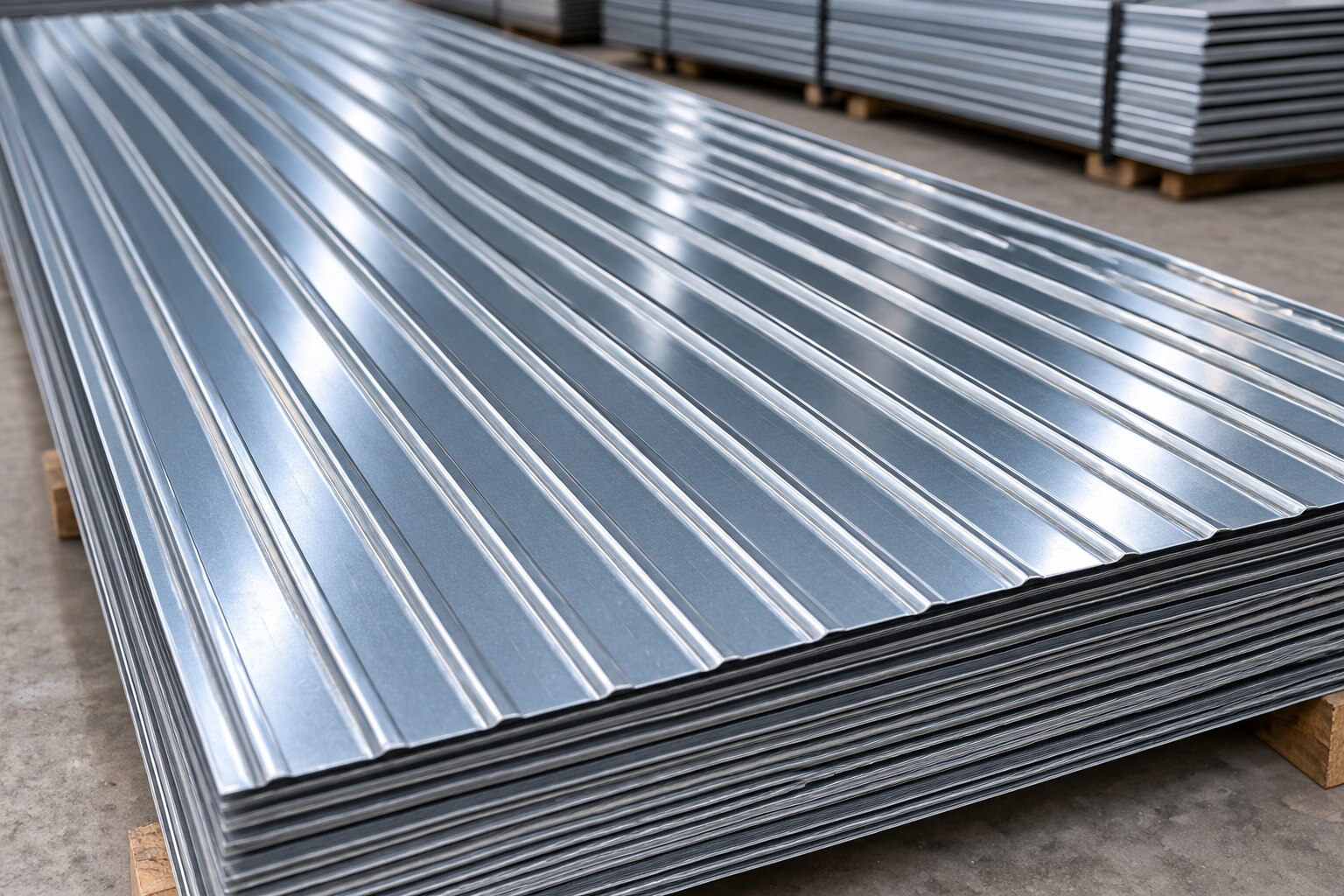
Vertical ridges help rainwater travel downward, but they do not automatically make an exterior wall easier to drain. The pattern works when the grooves form uninterrupted vertical routes; a horizontal lap, projecting sill or badly aligned joint can turn those routes into shelves that hold dirty water.
Vertical line embossed sheets for monsoon building projects in Mumbai therefore need panel layouts designed around drainage, not just appearance.
Use these details to keep runoff moving:
- Continue the grooves toward a sloped flashing, sill or base outlet rather than ending them against a flat ledge.
- Keep panel joints sealed or deliberately drained, with no blind pockets behind laps.
- Provide clear weep paths at the bottom of the cavity so water cannot remain behind the sheet.
- Fold or finish corners, parapets and penetrations so they do not create small horizontal troughs.
Fine grit, chloride residue and organic dirt can still settle on ridge tops and in recessed grooves, especially beneath parapets or in areas shielded from direct rain. Rinse those zones deliberately; vertical faces exposed to rainfall receive more natural washing.
Vertical embossed panels for exteriors can make directional water streaks less conspicuous than a broad mirror surface because the pattern breaks up reflections. That is an appearance advantage, not waterproofing or corrosion protection.
The stainless facing still needs a sealed substrate, reliable flashing and joints that accommodate building movement; rigidly trapping the sheet can distort the pattern and stress its fixings.
Build the panel into a drained, sealed façade
Treat the stainless sheet as the outer rain screen, not the waterproof barrier. Install a continuous, sealed wall behind it, with a membrane, properly lapped flashings and a cavity that drains independently of the cladding.
Use one joint strategy throughout the elevation: open rainscreen joints with a drained cavity, or sealed movement joints with backer rod and sealant. Do not rely on a bead of sealant at the sheet face to stop water; failed sealant can send rain into an unprotected wall.
- Slope head flashings, sill flashings and parapet caps outward, with end dams that stop water returning into the wall. Give every sill a visible drip edge.
- Provide continuous weep openings at cavity bases, above flashings and below window sills. Protect ventilation openings with insect mesh without blocking drainage.
- Keep vertical grooves continuous and terminate them into a draining sill or base detail. Do not let the embossed pattern turn into a horizontal shelf or blind pocket.
- Fold or close sheet edges at corners, penetrations and panel ends; seal the backing layer around pipes, brackets and windows before fitting the visible panel.
- Set the base above splash zones and keep the cavity clear of mortar, insulation scraps and sealant droppings.
- Fix panels to a compatible subframe, with slotted or otherwise movement-tolerant connections where the design requires them. Rigidly trapping large embossed panels can distort the finish.
These details matter for vertical line sheets for humid buildings. They also determine whether embossed stainless sheets for monsoon construction shed rain or conceal trapped water behind a polished surface.
Choose the alloy, finish and fixing system for Mumbai exposure
For stainless steel sheets for weather in Mumbai, choose 316L when salt-laden air, coastal proximity, sheltered ledges or persistent dampness raise chloride exposure. 304 can suit less exposed elevations, but the alloy alone will not prevent staining in trapped deposits or crevices.
| Alloy | Strength for Mumbai exposure | Main limitation |
|---|---|---|
| 304/304L | Suitable for many urban elevations with good drainage and regular cleaning | More vulnerable to chloride staining and pitting than 316 |
| 316/316L | Molybdenum improves resistance to chloride-bearing coastal exposure; 316L suits welded work | Still corrodes where deposits, crevices or wet fasteners concentrate chlorides |
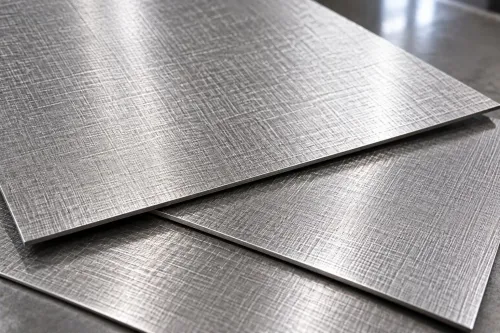
Select a finish you can inspect and clean. A smooth satin or fine-brushed surface usually hides minor marks better than a mirror finish, which shows water spots and scratches. Embossed vertical line sheets for humid buildings need grooves that drain downward, not blind pockets that retain dirt.
PVD colour is decorative, not a substitute for 316L; protect it from abrasion, and treat cut edges, drilled holes and weld zones.
Specify the fixing system with the sheet:
- Use stainless fasteners compatible with the panel, isolate dissimilar metals with non-absorbent washers or sleeves, and keep joints drained.
- Remove heat tint and contamination from welds; deburr cut edges and seal details where the design requires it.
- Allow thermal and wind movement instead of rigidly fixing every sheet, which can stress fasteners and damage the finish.
Specify fabrication and installation details before ordering
A 0.8 mm embossed sheet is not automatically equivalent to a 0.8 mm flat sheet. The pattern changes stiffness, bending behaviour, contact points and fastener seating, so size embossed stainless sheets for monsoon construction against the actual panel geometry, span, wind pressure and attachment method.
Before ordering, require these project-specific checks:
- Confirm the embossing pattern, pitch, depth, sheet thickness, allowable flatness and maximum unsupported span.
- Obtain supplier data or test evidence for wind loading, panel deflection, vibration and fastener pull-out; have the façade engineer verify the design pressure.
- Detail slotted holes, clips or separated fixings for thermal and building movement instead of locking every sheet rigidly.
- Specify folded edges, corner returns, cut-edge treatment, weld finishing, deburring and the position of holes away from grooves and unsupported edges.
- Check that screws, rivets, washers, subframes and sealants are compatible with the selected alloy, and that joints cannot trap water behind the panel.
- Approve a full-size sample showing the visible finish, ridge direction, joint, corner, flashing and cleaning access.
| Check | Evidence to request | Failure prevented |
|---|---|---|
| Pattern and span | Actual pattern drawing and deflection calculation | Oil-canning and vibration |
| Fabrication | Edge, weld and hole-treatment details | Cracks, staining and poor seating |
| Supplier control | Grade certificate, finish sample and tolerances | Unmatched panels and installation rework |
NIXON STEELIUM LLP can help you evaluate the available specification by matching the required pattern, grade, thickness, finish and sheet size to fabrication constraints; obtain written confirmation before release.
Vertical embossed panels for exteriors perform only when the panel, subframe and drainage details are designed as one system.
Related product
 | Stainless Steel Embossed Sheets Vertical Lines Embossed SS Sheets Specification Product Name Stainless Steel Products Steel Type Stainless Steel Steel Product Type Steel Sheets Grade 304 Thickness 0.5-3.0 Millimeter... View product → |
Maintain the surface before deposits become damage
Wash the panels from top to bottom with clean, low-chloride water before salt, dust and bird deposits dry into the embossed recesses. Use a pH-neutral detergent, a clean microfiber cloth or soft nylon brush, then rinse thoroughly and dry with a separate soft cloth.
1. Inspect at the start of the monsoon, after long dry periods, and at the season’s end. Look inside grooves, below laps, around fasteners, at cut edges, and beneath sills for white deposits, tea staining, rust marks, pits or trapped water.
2. Clean one small area first. Work with the embossed direction, not across it, and use a fresh cloth for each section; grit caught in a cloth can scratch a satin, textured or mirror finish.
3. Never use steel wool, abrasive powder, sandpaper, carbon-steel brushes, hydrochloric acid or concentrated bleach. Chloride residue left by cleaners or coastal spray can produce staining even on stainless steel sheets for weather in Mumbai.
4. Rinse sheltered grooves and joints deliberately; rainfall does not wash every recess. Keep spray pressure low enough to avoid forcing water behind seals, flashings or open joints.
5. Record recurring deposits and inspect their source. A blocked weep, leaking joint or incompatible fastener needs correction, not repeated polishing.
This regime matters for vertical line embossed sheets for monsoon building projects in Mumbai because the pattern supports downward flow only where recesses remain open and clean. Escalate persistent brown marks or pinholes to a stainless-steel specialist instead of grinding the finish.
Frequently asked questions
When do vertical lines improve rainwater movement?
They improve movement when the grooves remain continuous and vertical. Horizontal laps, projecting sills and misaligned joints create shelves that retain dirty water.
How should embossed panels be built into a façade?
Use a drained and sealed façade design, with managed cavity drainage and joints that prevent water entering behind the panels.
How do you choose sheets for Mumbai weather?
Compare the stainless-steel alloy, surface finish and fixing system against Mumbai’s humid, coastal exposure before approval.
What should you specify before ordering vertical embossed panels?
Confirm panel dimensions, groove direction, edge details, joint layout, fixing locations, tolerances and installation drawings with the fabricator.
How should you maintain the stainless-steel surface?
Inspect and clean the surface before salt, grime and other deposits harden or begin damaging the finish.
Keywords